Skip to content

Nepal's Premium Aquarium Studio

Bring the
Ocean Home.

Discover beautifully designed aquariums, extraordinary marine life, and everything you need to create your own underwater world.

Freshwater aquarium

75–80°F

Temperature

Low

Maintenance

from Rs. 8,000

Starting setups

Freshwater

Where the journey begins.

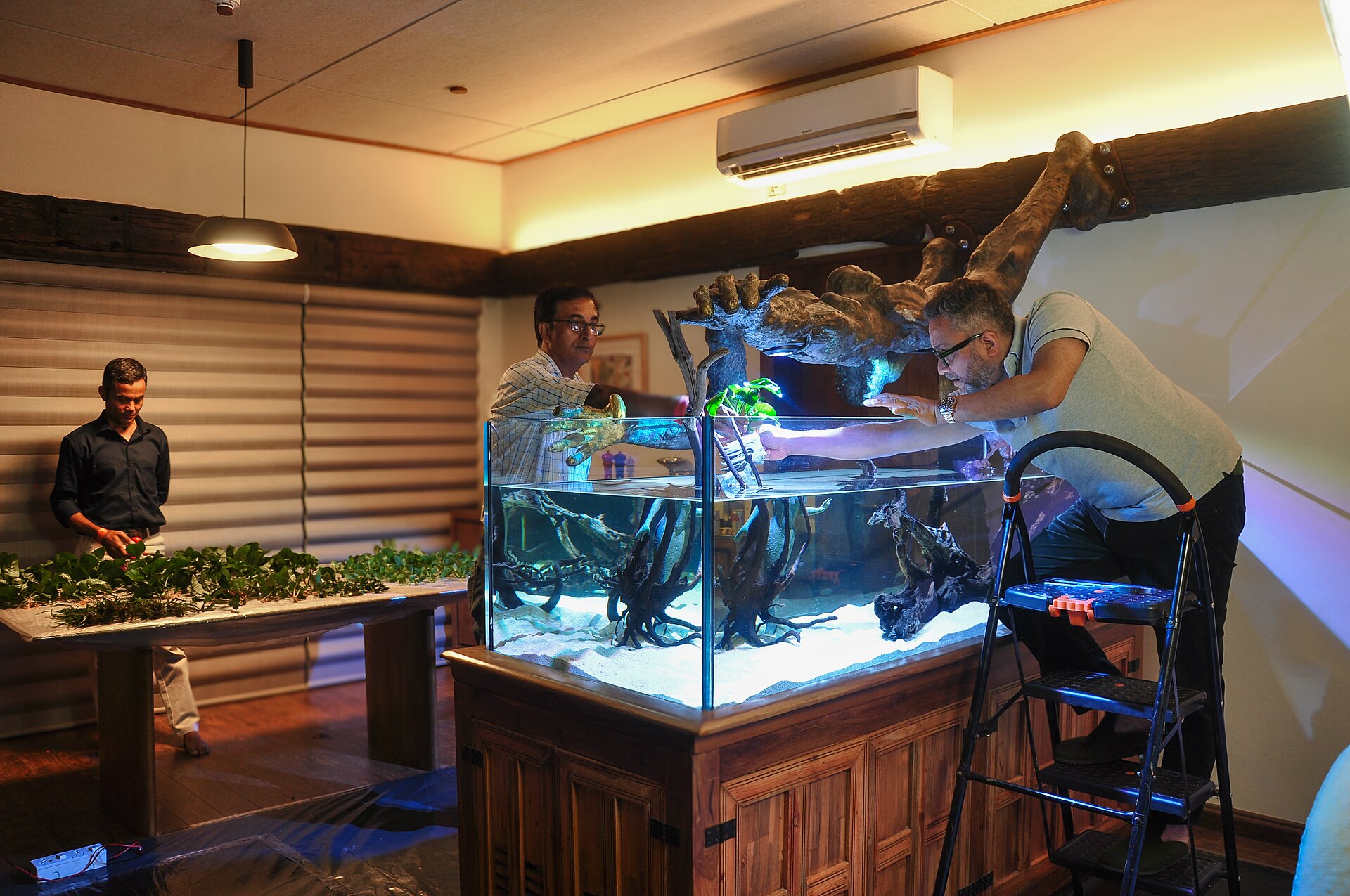
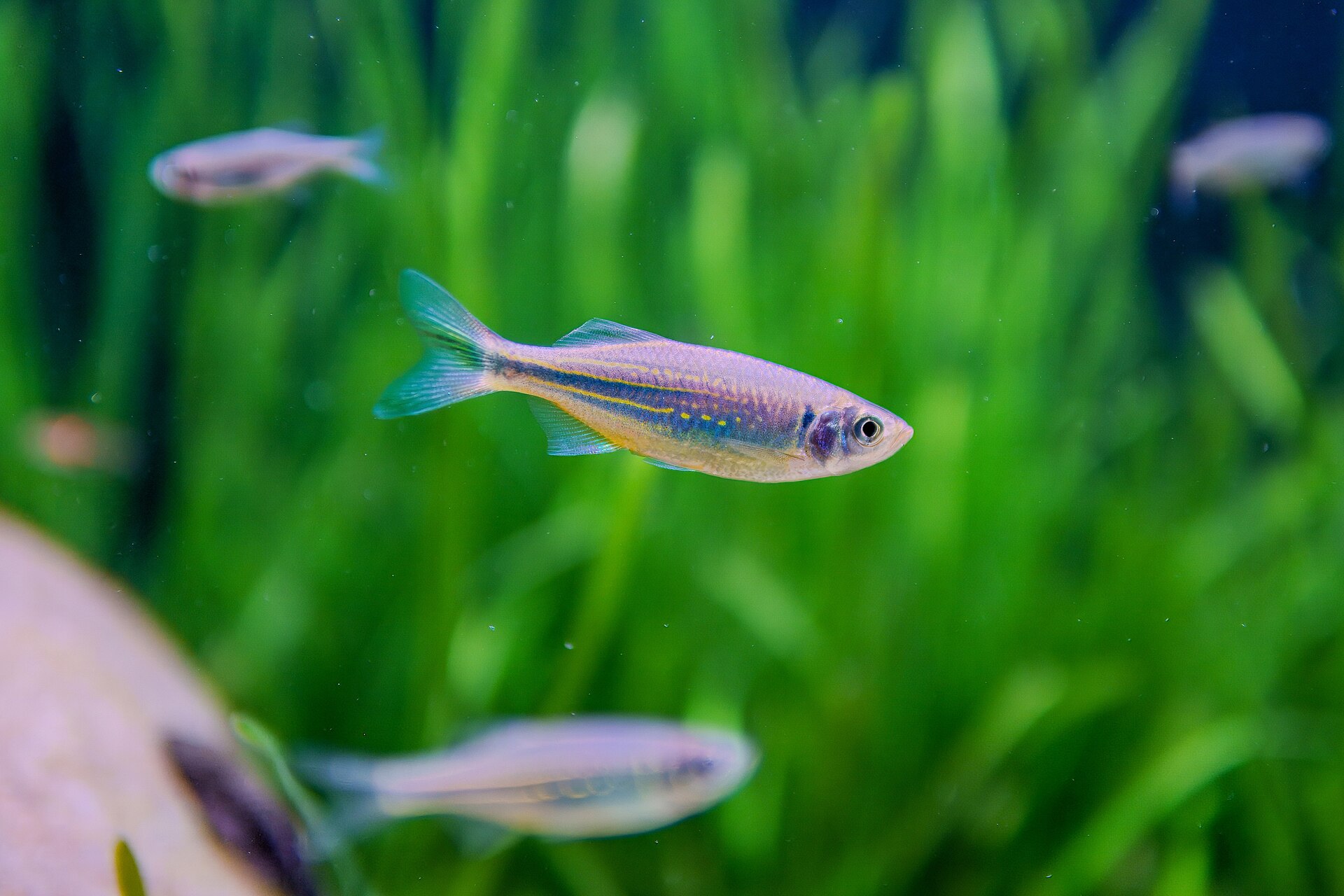
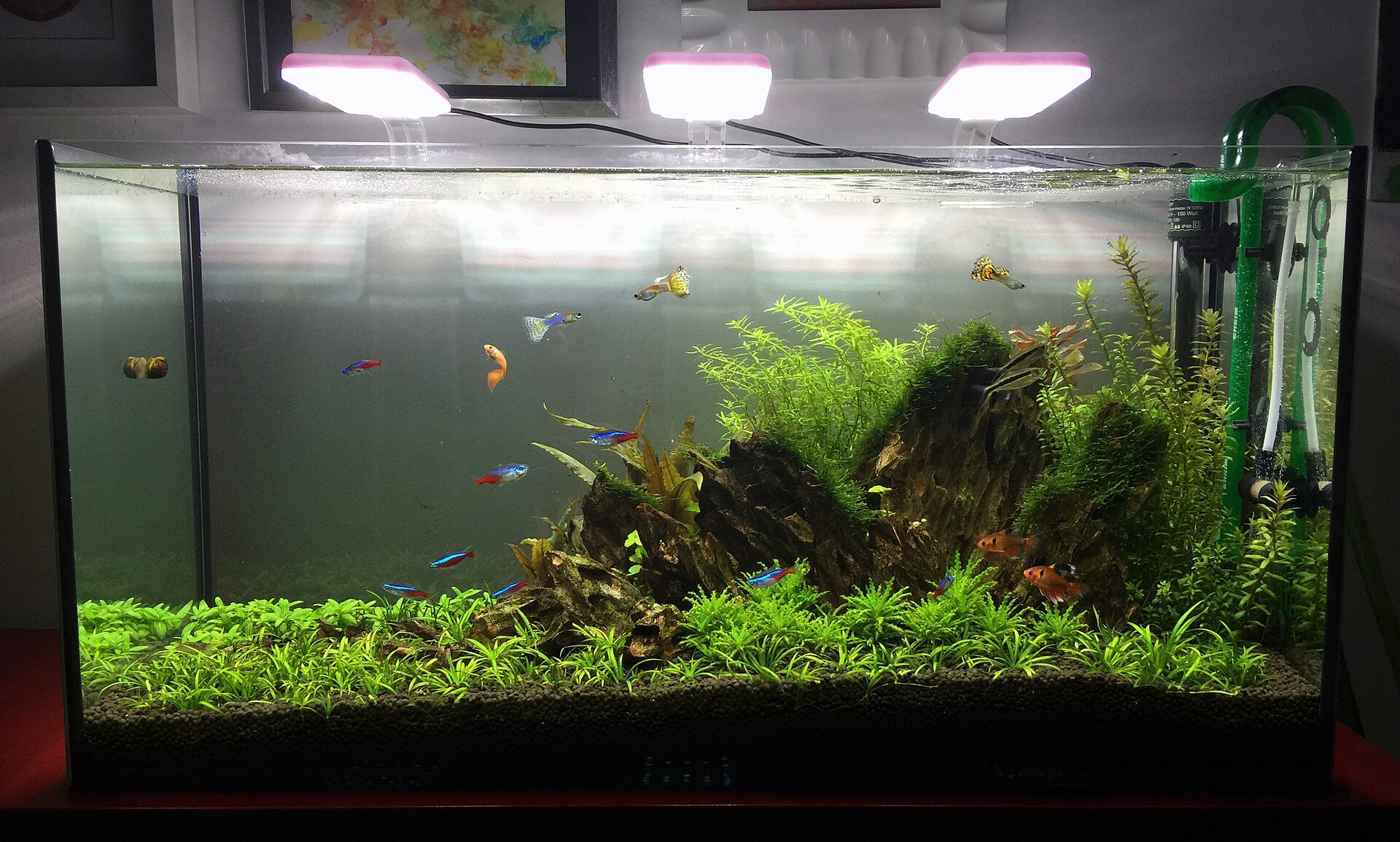
Freshwater aquariums are one of the most popular choices for beginners because they are generally easier to maintain and more affordable. A well-planted freshwater tank is a living landscape: mosses, ferns and stem plants drift over stone and wood while tetras, guppies and rasboras school through the middle water.

Explore Freshwater
Saltwater aquarium

75–78°F

Temperature

1.024–1.026

Specific gravity

Moderate–High

Maintenance

Saltwater

A little piece of the ocean.

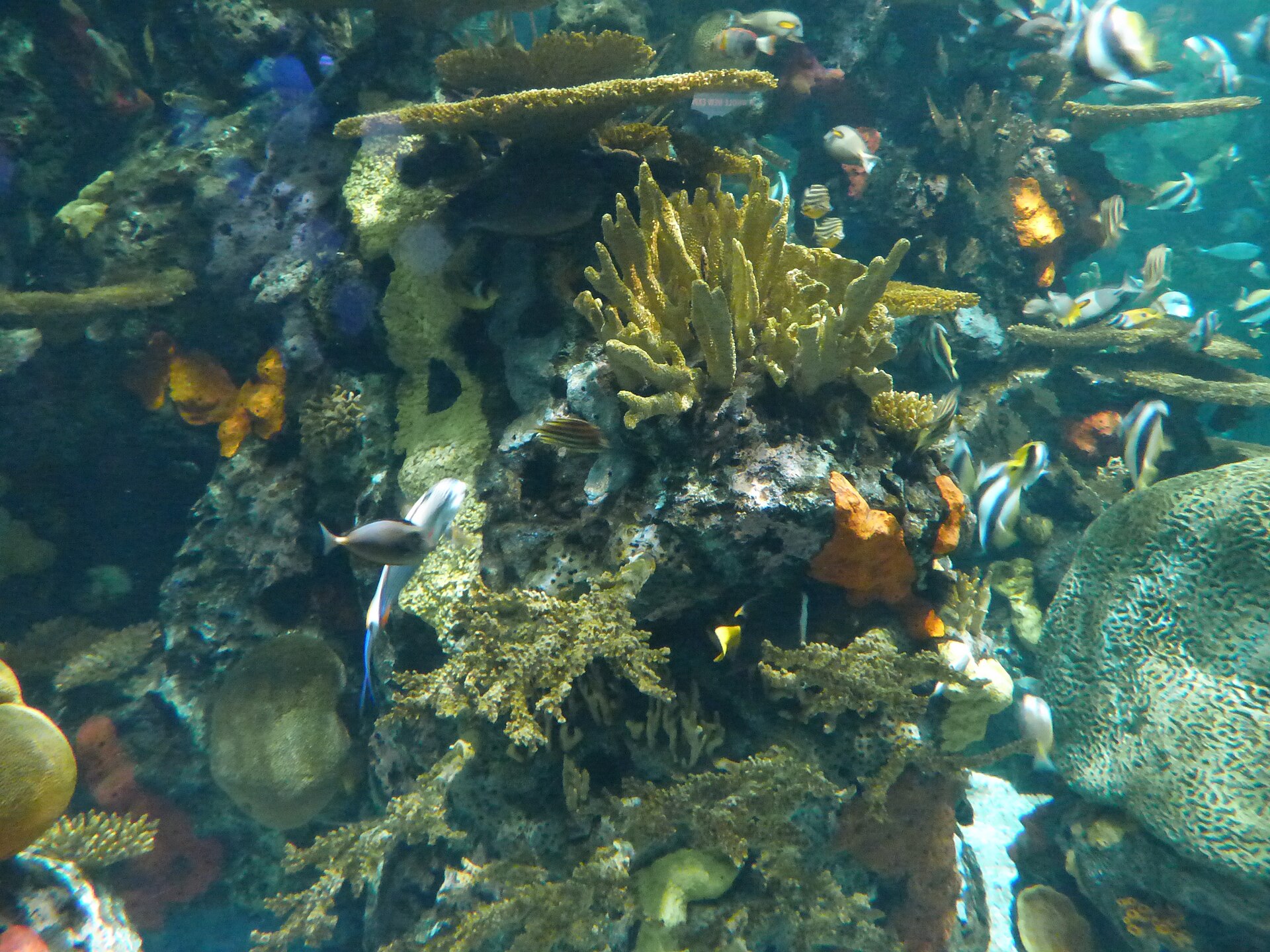
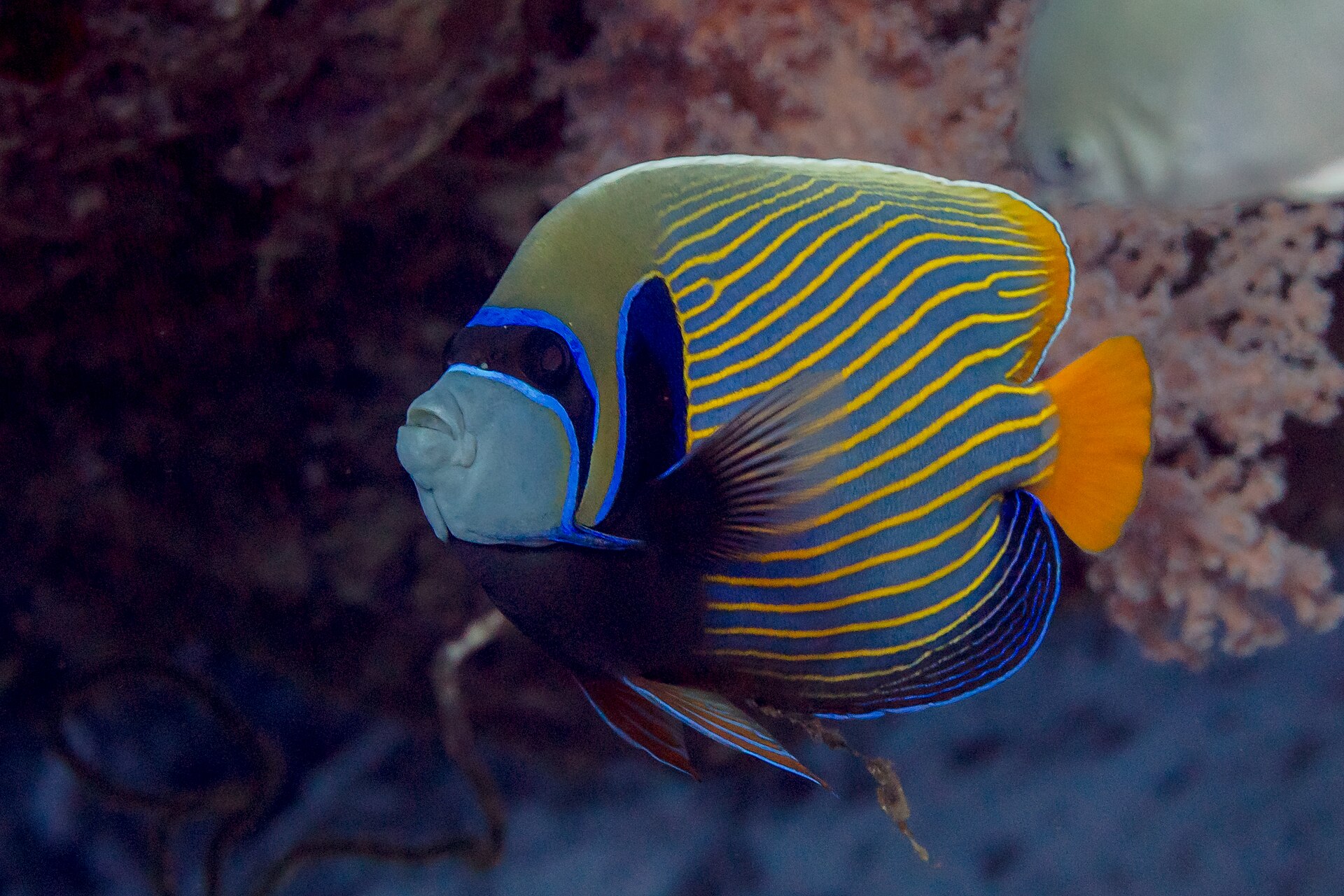
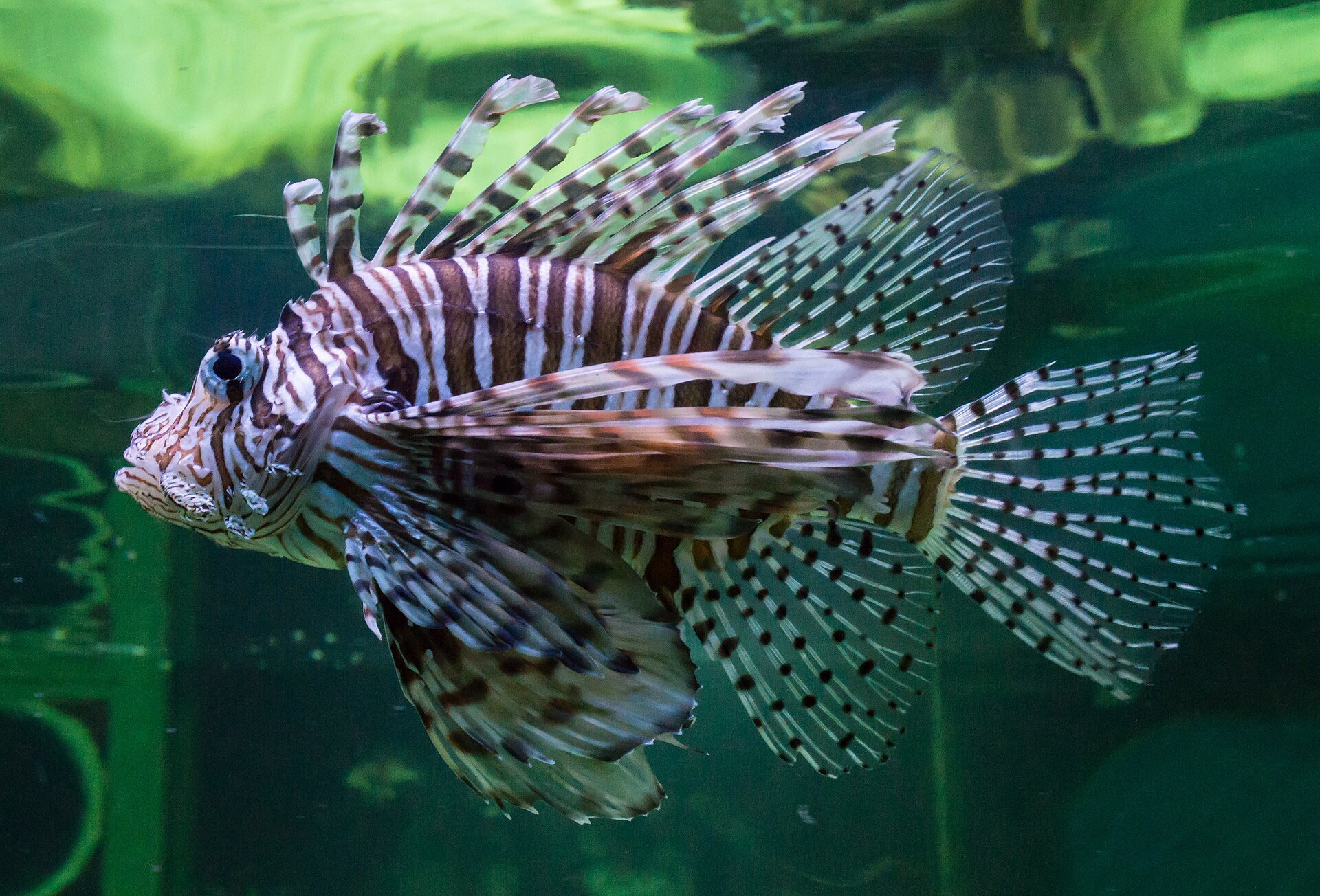
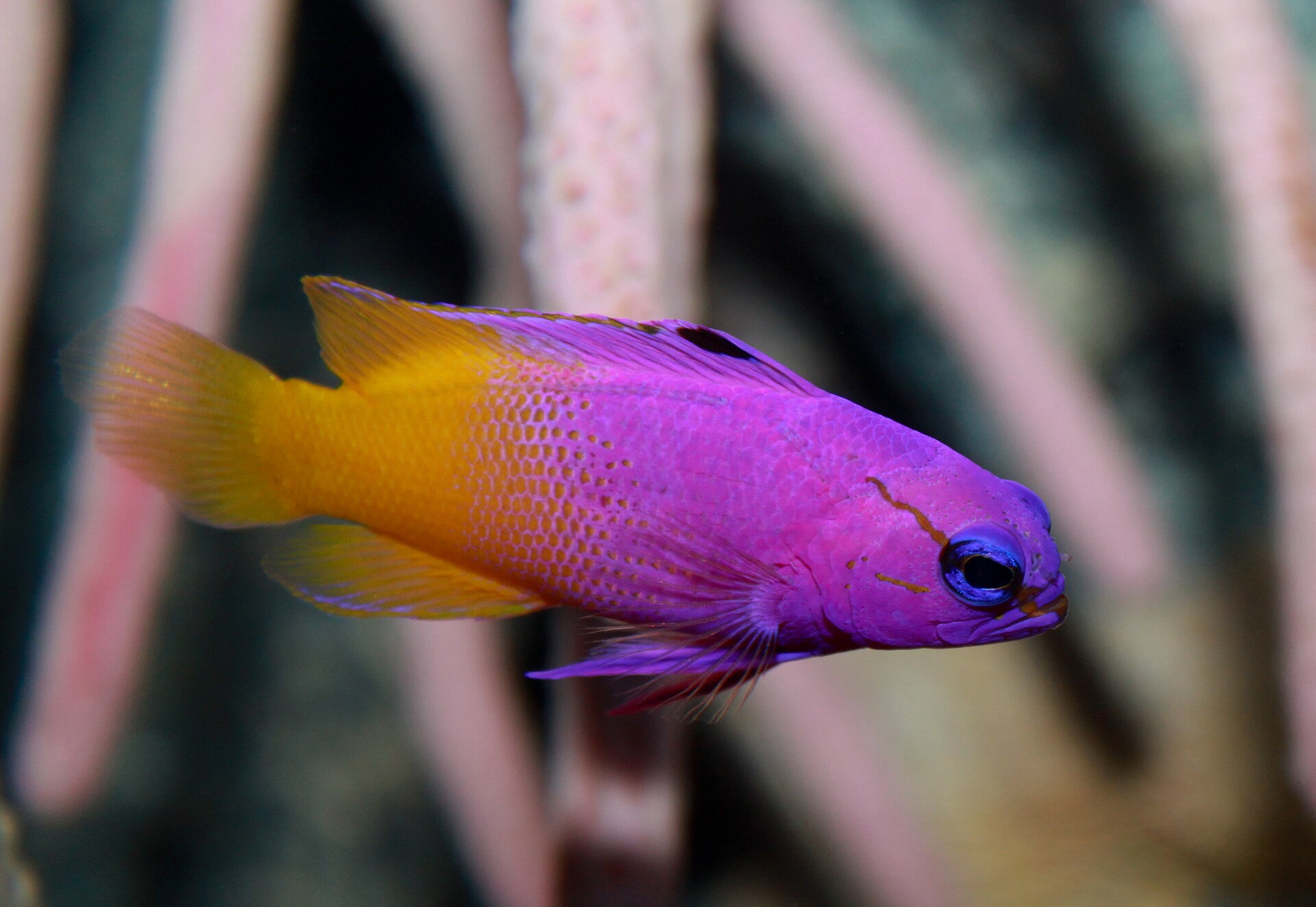
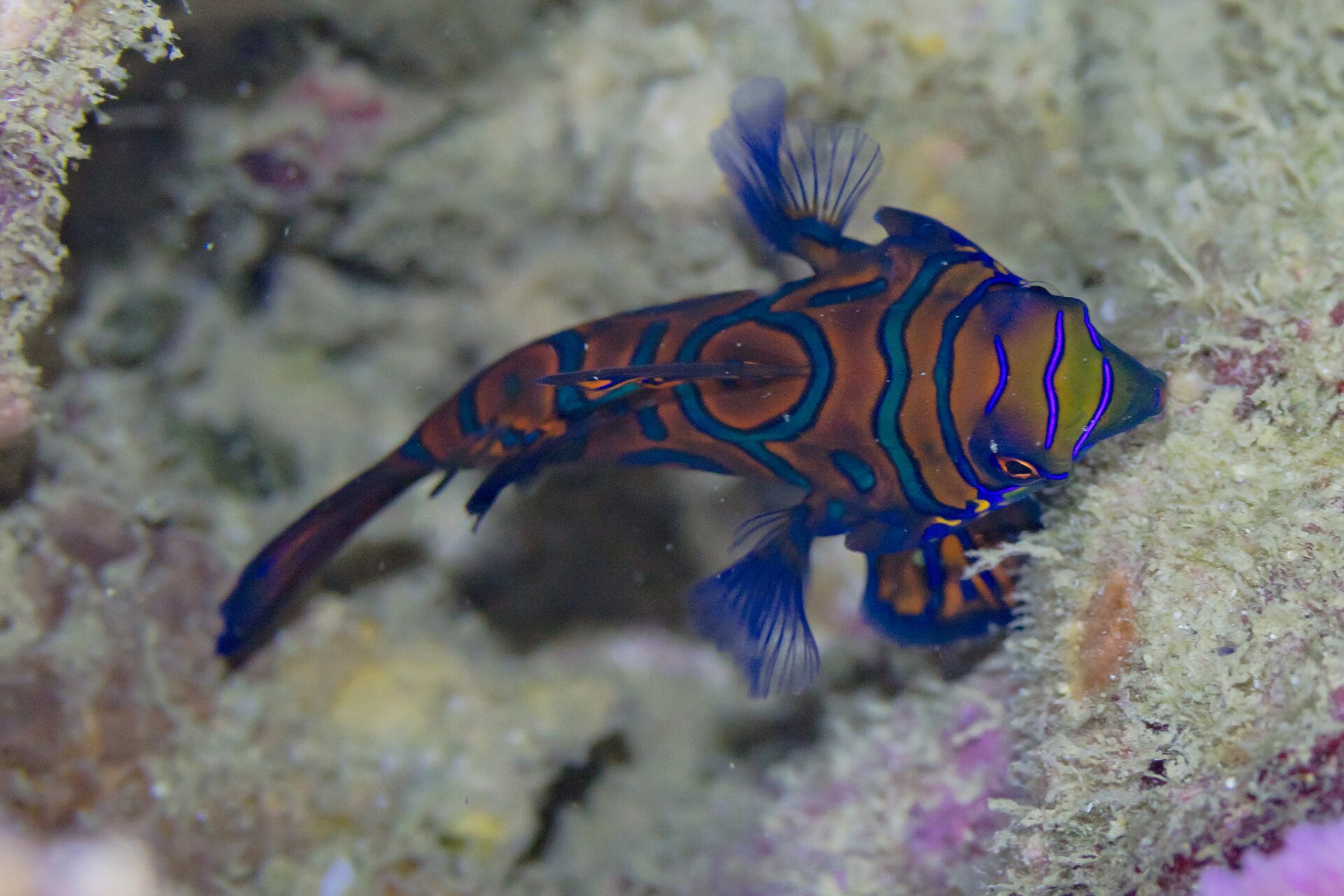
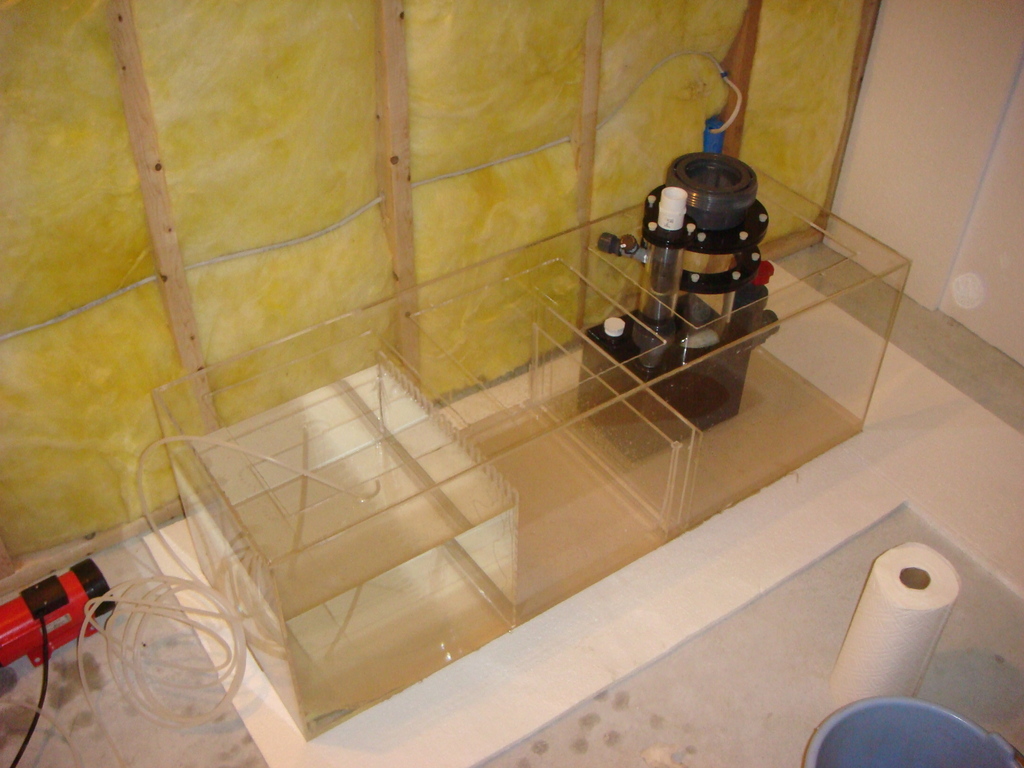
Saltwater aquariums recreate marine environments. They can include marine fish, coral, live rock, invertebrates, advanced filtration and specialised lighting. They generally require more specialised equipment, knowledge and investment — and in return they deliver a miniature ocean, glowing with colour and movement.

Explore Saltwater
Brackish aquarium

1.005–1.010

Specific gravity

75–82°F

Temperature

Moderate

Maintenance

Brackish

Where rivers meet the sea.

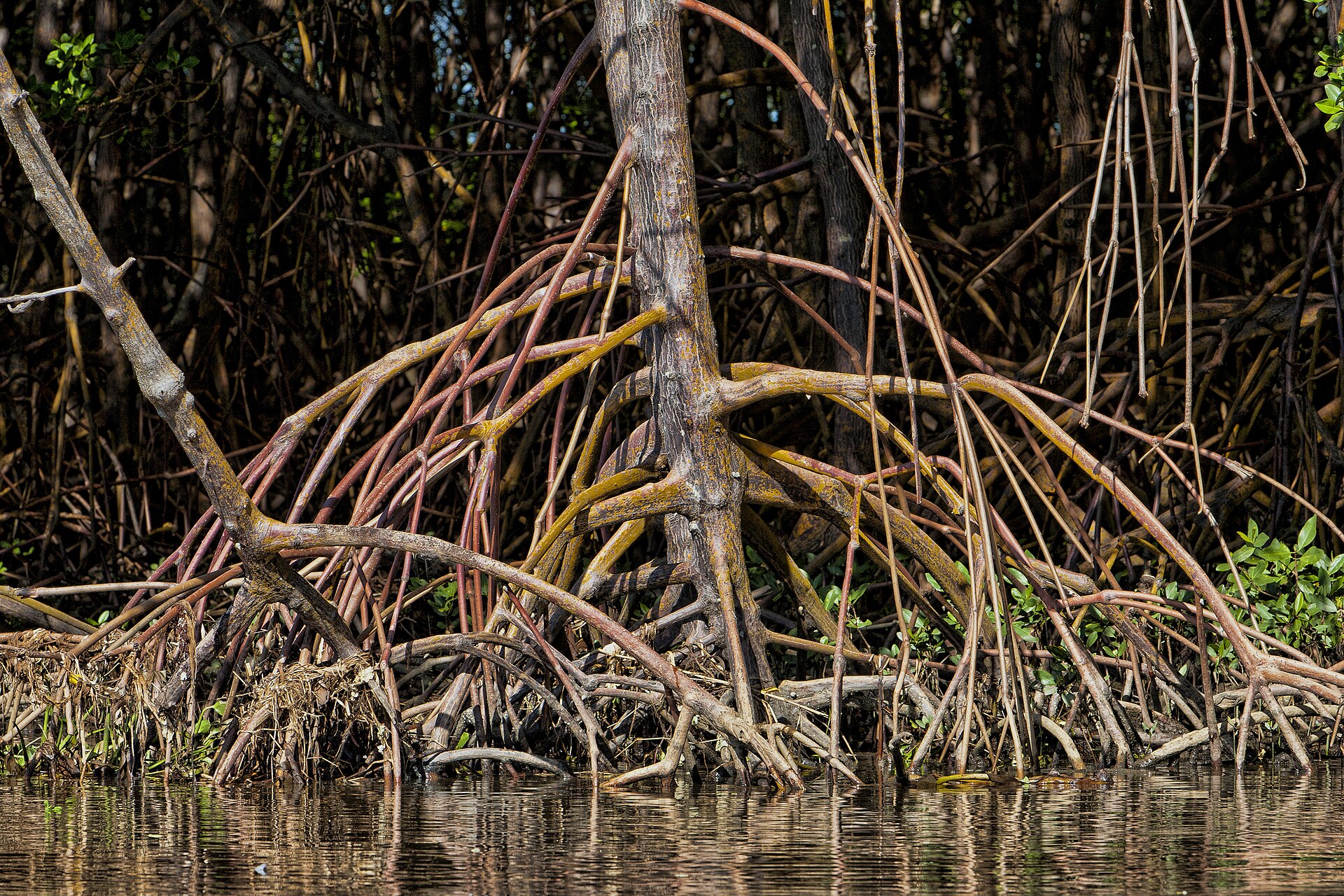
Brackish aquariums recreate environments where freshwater and seawater mix — estuaries, mangrove environments and coastal wetlands. The palette shifts to tannin-stained water, sand, tangled roots and species like mollies, archerfish, scats and monos that thrive between two worlds.

Explore Brackish

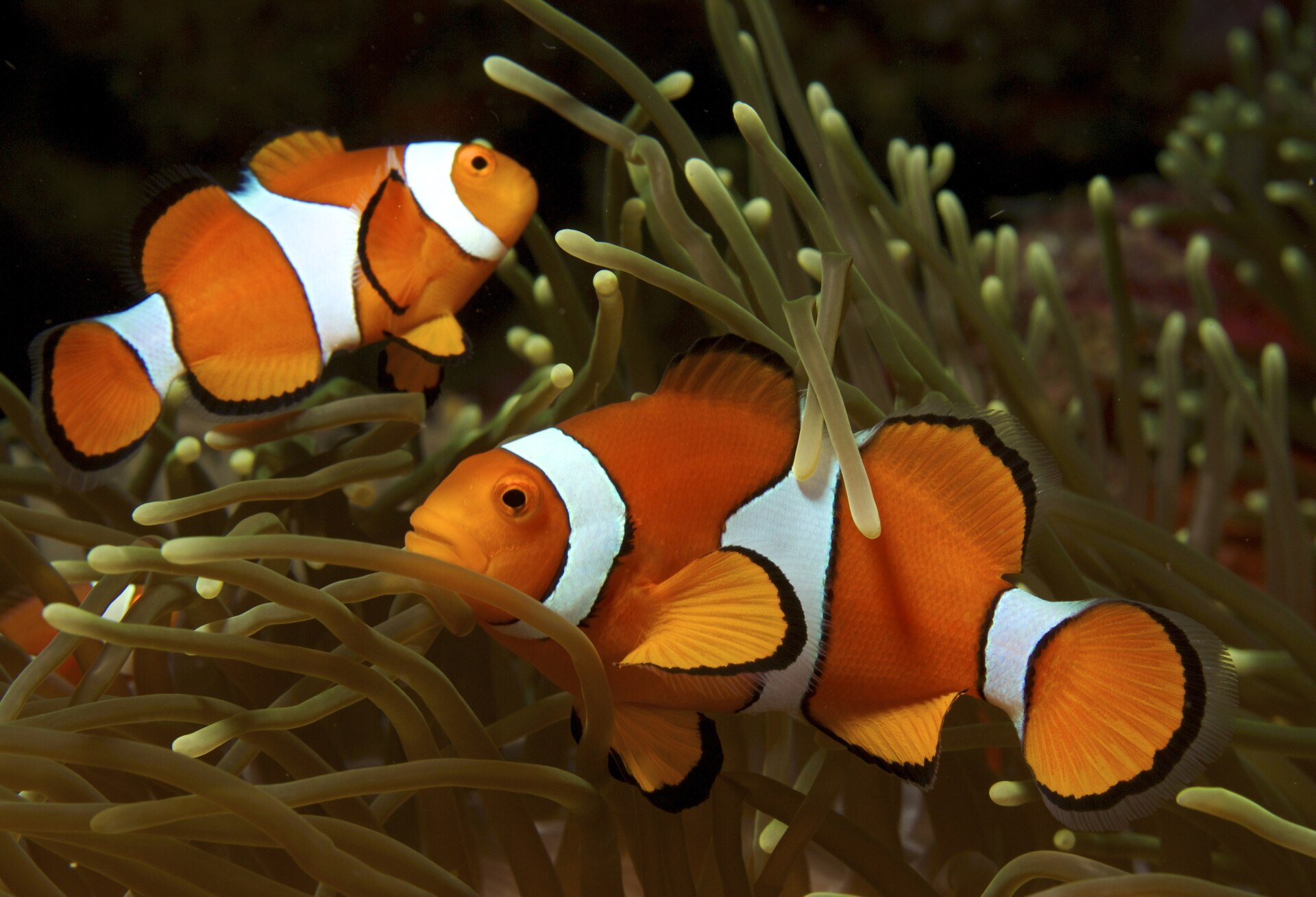
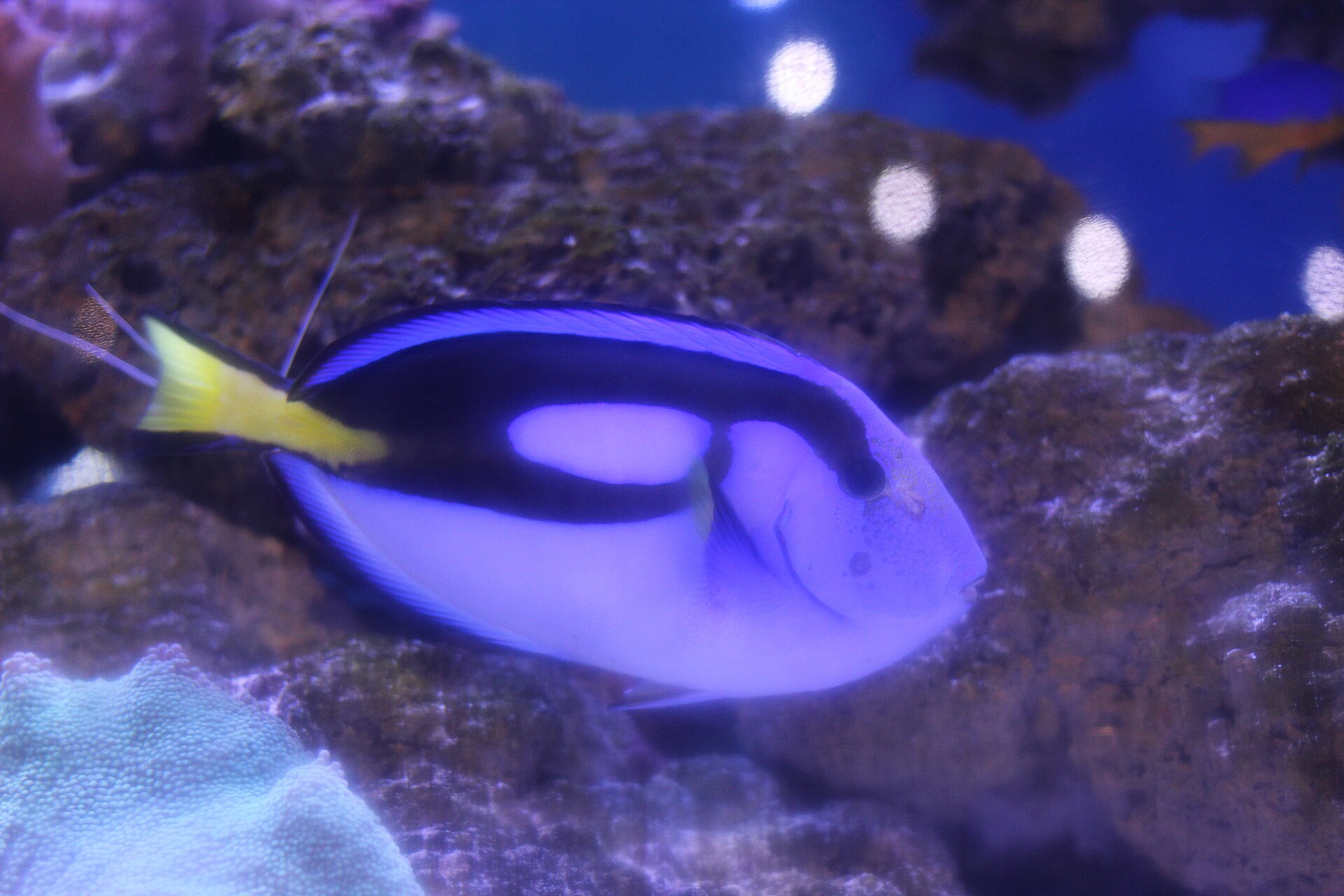
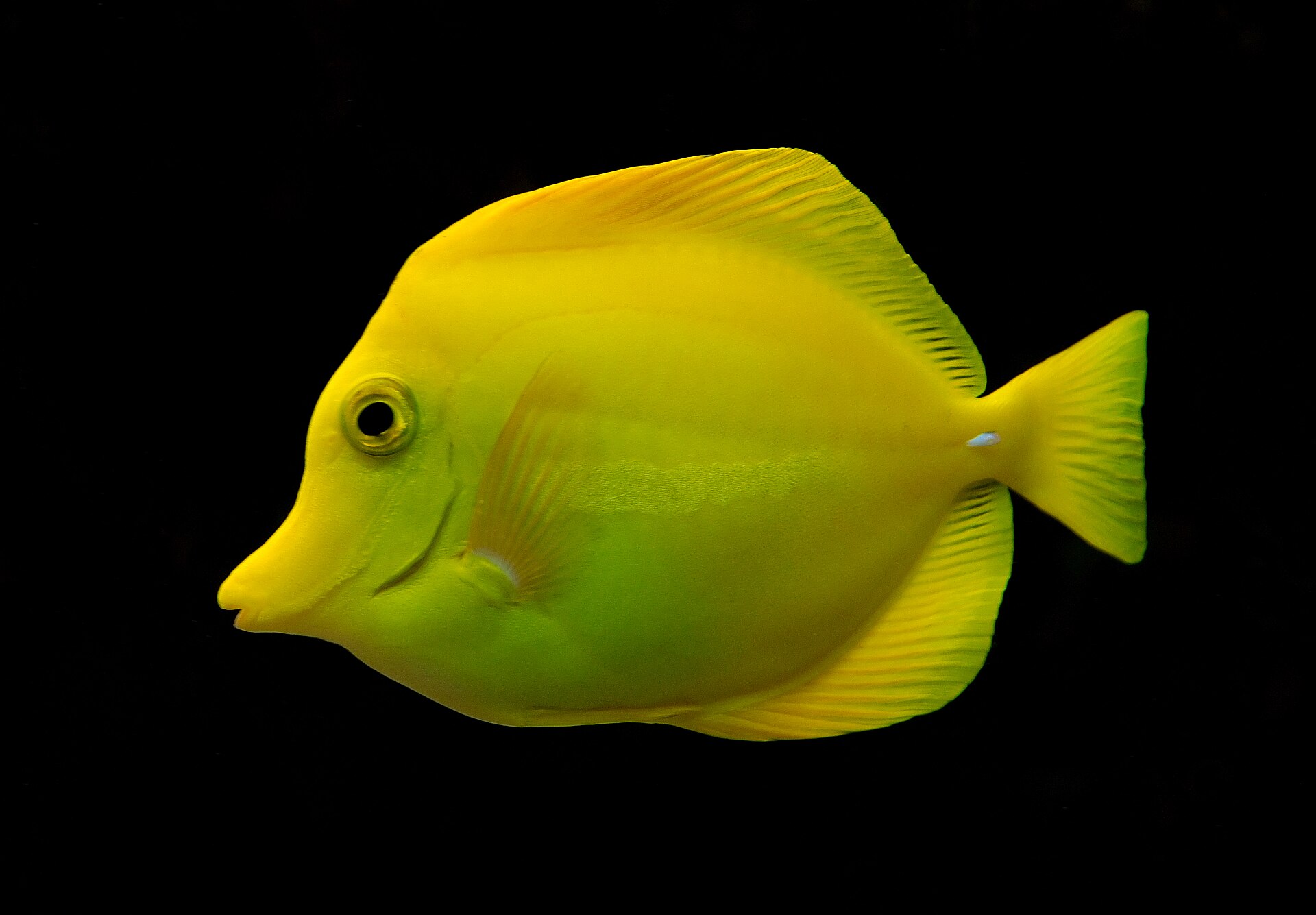
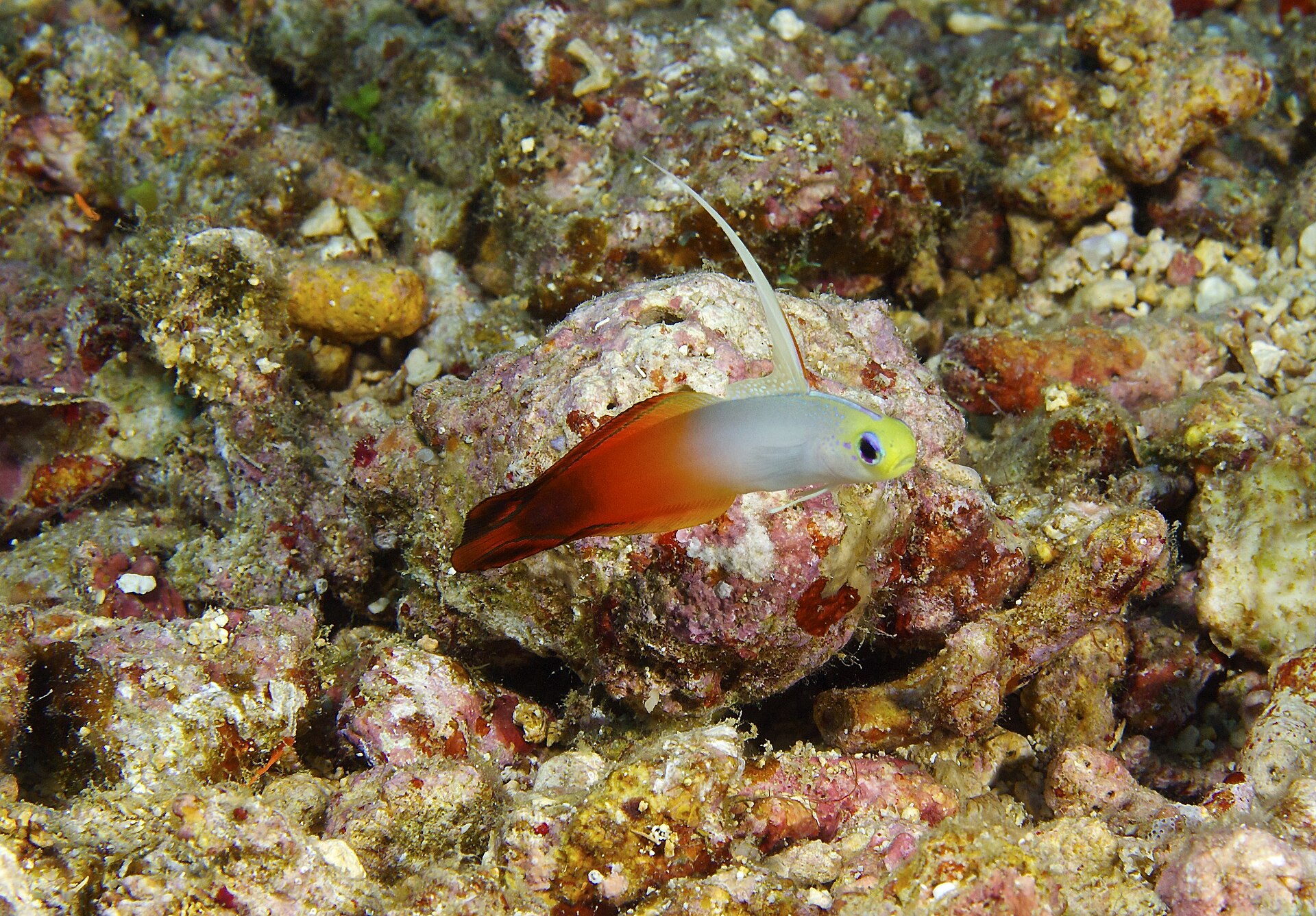
The Marine Life Library

Meet the Ocean.

Twenty species profiled honestly — difficulty, temperament, compatibility and real availability in Nepal.

Open the Explorer

The Customizer

Build your own
underwater world.

Eight steps from empty glass to living ecosystem — with compatibility warnings, equipment recommendations and an honest NPR estimate before you commit.

01

Choose your tank

Nano to statement — glass first, everything follows.

02

Choose your world

Freshwater, saltwater or the estuary between.

03

Scape it

Substrate, hardscape, plants — your layout, live.

04

Add life

Compatible fish only — we warn you when it won’t work.

Start Building — it's free

No signup. Save your build to your wishlist when you're done.

More Than a Tank

Why have an aquarium at all?

A calming presence.

Chapter I — Mental Wellbeing

A calming presence.

Watching slow underwater movement can settle a room. Many keepers describe their aquarium as a natural visual break from screens — a living pause button in a loud day.

  • A relaxing visual experience
  • A peaceful environment at home
  • A calm corner in a busy workspace
  • A natural break from screens

Where wellbeing benefits are described, we stick to what research supports — stress-reduction and relaxation claims should always be read as general experience, not medical advice.

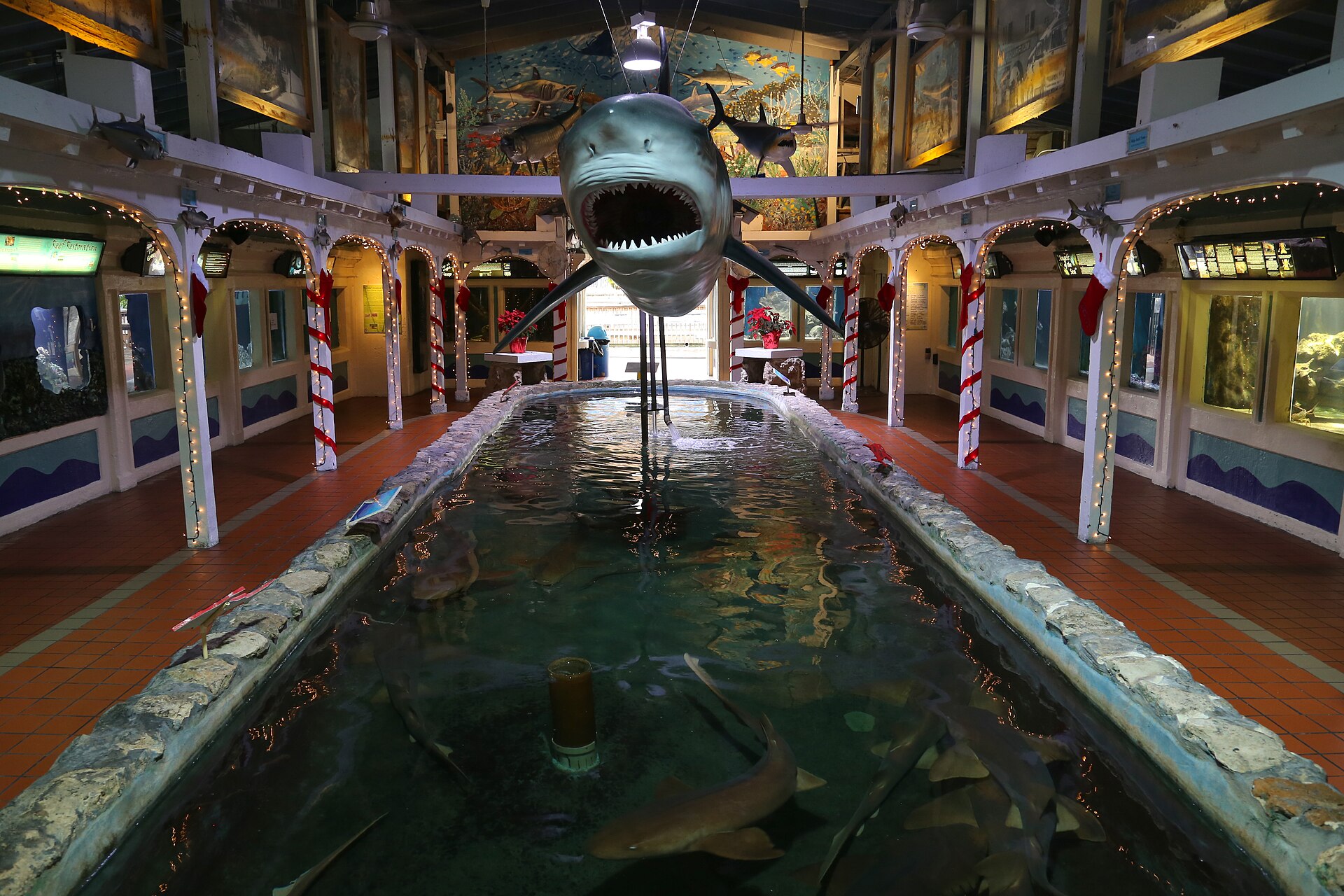
A living piece of art.

Chapter II — Lifestyle

A living piece of art.

An aquarium is interior design that changes daily. It carries a gentle routine — feeding, trimming, water changes — and offers companionship without walks or noise.

  • Part of interior design
  • An engaging daily routine
  • Companionship without noise
  • A centrepiece for homes and workspaces
An ecosystem you can hold.

Chapter III — Education

An ecosystem you can hold.

Keeping an aquarium teaches the nitrogen cycle, water chemistry, fish behaviour and environmental responsibility — biology you can watch happening through the glass.

  • The nitrogen cycle, visible
  • Water chemistry made practical
  • Fish behaviour and compatibility
  • Environmental responsibility

The Care Centre

Small rhythms.
Thriving worlds.

A few minutes a day keeps an ecosystem alive. Pick your world — we'll show you the rhythm.

Full Care Guide
D

Daily

  • Check equipmentConfirm the filter is running and the heater light is on.
  • Verify temperatureTypical tropical range: 75–80°F.
  • Observe fish behaviourClamped fins, hiding or gasping are early warning signs.
  • Feed appropriatelyOnly what fish can finish in about 2–3 minutes.
2W

Bi-Weekly

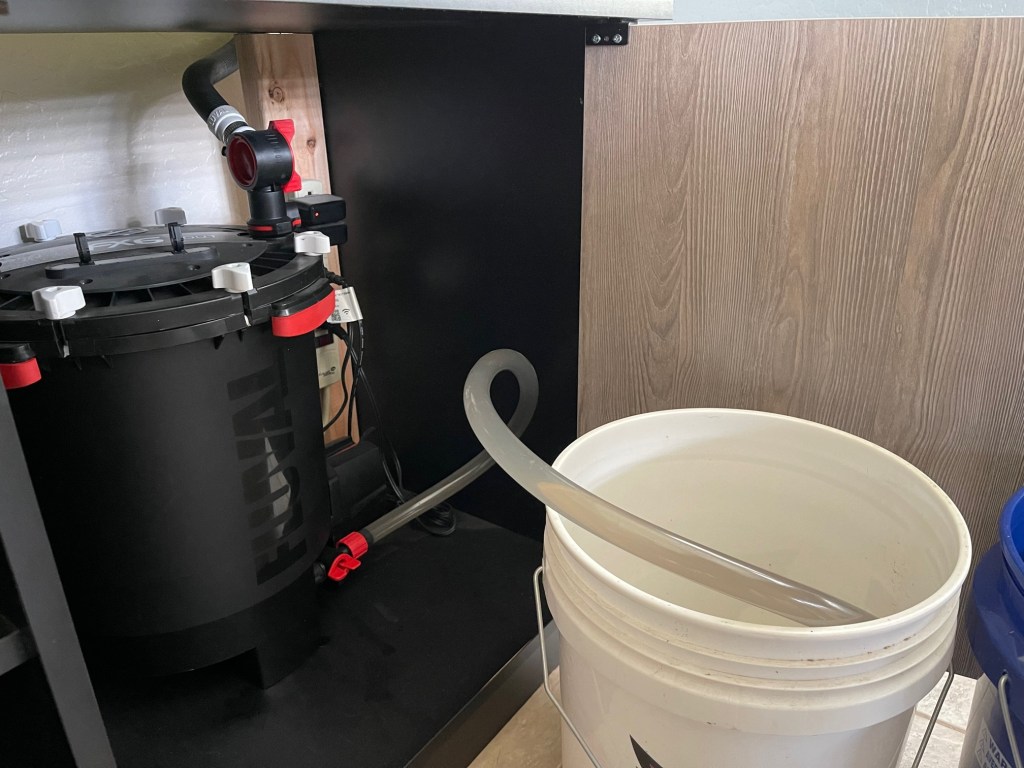
  • Replace 15–25% of the waterUse a gravel vacuum to siphon while you remove water.
  • Treat replacement waterAdd an appropriate dechlorinator to new tap water before it enters the tank.
  • Clean algaeWipe the glass and gently clear décor — leave some algae for grazing species.
  • Vacuum the substratePass the siphon over the substrate surface as needed to lift waste.
M

Monthly

  • Test ammonia, nitrite and nitrateTargets: ammonia 0 ppm · nitrite 0 ppm · nitrate generally below 20 ppm.
  • Maintain filter mediaRinse biological media in removed aquarium water — never untreated tap water, which harms nitrifying bacteria.
  • Trim aquatic plantsTrim overgrown stems and remove dying leaves to keep the layout healthy.
ReferenceTemperature 75–80°FWater change 15–25% every two weeks

Not Sure Where to Start?

Let's design your
first underwater world.

Tell us your space, budget and dream fish — our studio will recommend the right aquarium, equipment and livestock for your life in Nepal.

Free consultation · No obligation · Response within 48 hours